Pennsylvania Turkey Hunting: 2026-27 Seasons, Arms and Loads
Pennsylvania turkey hunting is unusual in one respect that catches visiting hunters: rifles and any single-projectile ammunition are illegal for turkey, spring and fall alike. Shotguns and archery gear are the whole list. This guide covers the 2026-27 seasons, the legal arms and loads, and how the two seasons differ in practice. General information, not legal advice, current to September 2026.
Fall season dates by unit
Fall turkey is set by Wildlife Management Unit, and the spread is wide. For 2026 the Game Commission set:
- WMUs 1A, 2G, 3A, 4A, 4B and 4D: Oct. 31 to Nov. 15.
- WMUs 2A, 2F, 3B and 3C: Oct. 31 to Nov. 15, plus Nov. 25 to Nov. 27.
- WMUs 2B, 2C, 2D and 2E: Oct. 31 to Nov. 20, plus Nov. 25 to Nov. 27.
- WMUs 1B, 3D, 4C and 4E: Oct. 31 to Nov. 8.
- WMUs 5A and 5B: Oct. 31 to Nov. 3.
- WMUs 5C and 5D: closed to fall turkey hunting.
Bearded and unbearded birds are both legal in the fall, and the limit is one bird per license year. The three-day period around Thanksgiving in the western and north-central units is a genuine second chance, and it overlaps with small game pressure, so plan for company in the woods.
Spring gobbler 2027
The statewide spring season runs May 1 to May 31, 2027, bearded birds only, with a limit of one bird on the general tag. A junior and mentored hunt for those under 16 runs Apr. 24 and 25, 2027. Hours are the part people get wrong. From the youth weekend through May 15, hunting begins half an hour before sunrise and ends at noon, and hunters are asked to be clear of the woods by one o clock. From May 16 to May 31 the day runs from half an hour before sunrise to half an hour after sunset. A second spring tag can be bought, which is how serious spring hunters get two birds in a season.
Legal arms and loads
For both seasons the lawful list is short:
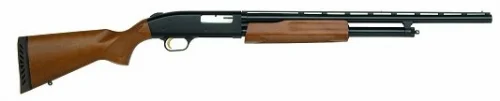
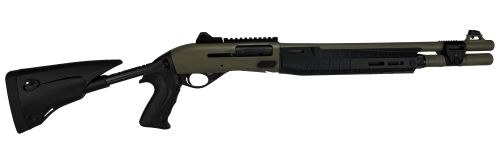
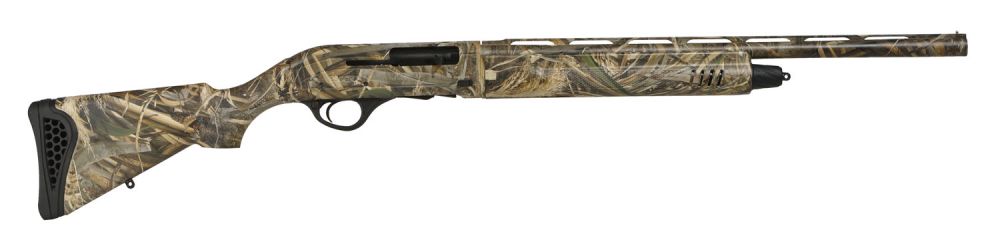
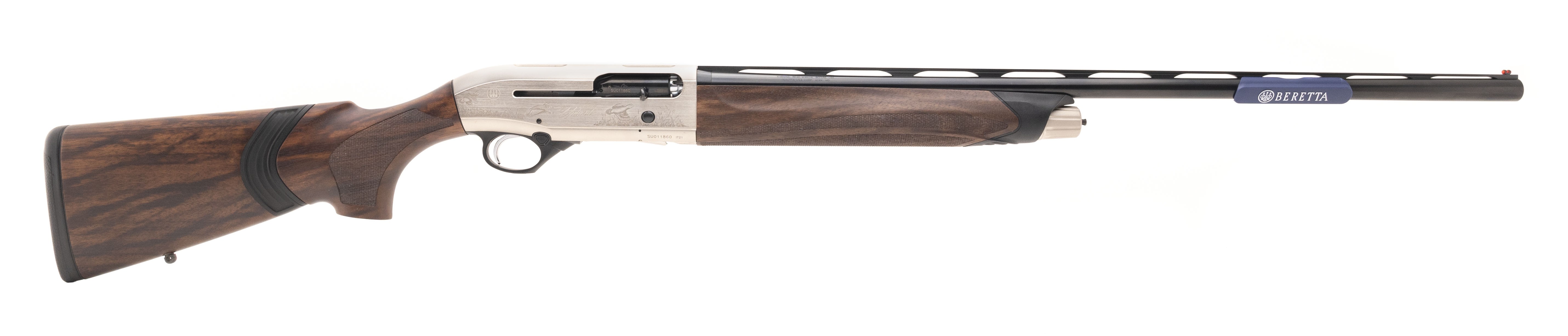
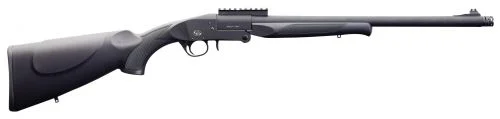
- Manually operated and semiautomatic shotguns, held to three shells in the chamber and magazine combined.
- Muzzleloading shotguns of any type and gauge.
- Long, recurve and compound bows at a minimum 35 pound draw weight, and crossbows at a minimum 125 pounds, with legal broadheads.
Shot is limited to fine pellets no larger than No. 4 lead, No. 2 steel, or No. 4 in any other nontoxic composition approved by the federal wildlife service. Rifle and shotgun combination guns may be carried if the ammunition is confined to shotgun shells. Carrying or using single-projectile ammunition, rifles, handguns, muzzleloading rifles or slug guns while turkey hunting is unlawful, which means the deer rifle stays at home even as a sidearm.
In the spring season, dogs, electronic callers and live decoys are all prohibited, and conducting drives for turkeys is unlawful. Spring hunting is calling only. Fall hunting does allow dogs in some circumstances, so read the turkey section of the current digest rather than assuming the two seasons match.
Chokes, patterns and practice
A turkey gun is a patterning problem, not a power problem. A tight extra-full choke with a heavy No. 5 or No. 6 payload will hold a dense pattern to 40 yards, but the same choke with cheap No. 4 lead can open up badly, and you will not know which until you shoot paper. Several Game Commission ranges have a dedicated shotgun patterning board, including the ranges on state game lands in Carbon, Centre, Erie, Indiana and Lehigh counties. Pattern at the distance you actually expect to shoot, aim at the base of the neck rather than the body, and check where the pattern center sits relative to your bead.
Fluorescent orange and blinds
No fluorescent orange is required while hunting turkeys, which is a sensible rule for a bird with good color vision and a dangerous one for the hunter. Two habits make up the difference. Do not wear red, white, blue or black in the spring woods, since those are gobbler colors. And if you use a blind or an enclosed stand during the regular firearms deer season, the digest sets separate orange requirements, so check the turkey and blind sections before you set one up. Never stalk a gobble.
Tags, reporting and licenses
A general hunting license includes one fall turkey tag and one spring tag. The second spring tag is a separate purchase. Every harvest must be reported, and turkey reports can go in online, by telephone or by mail with the card in the digest. Tag the bird before you move it: attach the harvest tag to the leg immediately after the kill.
Where to go
Turkeys in Pennsylvania are a big-woods bird in the north and a farm-edge bird in the south, and the tactics differ as much as the habitat. In the northern tier units the birds are spread thin across state forest ridges, and covering ground on logging roads at first light beats sitting. In the southern farm units a bird may live his whole life inside a few hundred acres of orchard, woodlot and pasture, and permission on the right farm matters more than legwork. The units closed or nearly closed in the fall, 5A through 5D, are still good spring country.
Gear worth having
Beyond the gun, a turkey vest with a seat, a couple of mouth calls plus one friction call, a decent set of gloves and a face covering, and a cushion for a tree root you will sit against for two hours. Optics matter less than most hunting, though a low-power red dot on a dedicated turkey barrel is popular. We list shotguns, chokes, turkey loads and vests on the catalog and the store pages. If you are buying your first shotgun for this, the firearm law overview explains how the dealer transfer works, and the state game lands guide covers the ranges where you can pattern it.
Season dates here come from the Game Commission seasons and bag limits listing for 2026-27 as published in September 2026. Verify against the current digest before you hunt.
General information, not legal advice. Current as of September 2026. Laws change; check the official source before you act.